

Treats, not tricks: Halloween safety tips for children with food allergies


Halloween is a highlight of the autumn for many children, with dressing up, pumpkins and treats. If you are a parent of a child with a food allergy, it may be a night you plan for a little more carefully.
A food allergy should not mean missing out. Most of what keeps a child safe at Halloween is what keeps them safe on any other day. It is the break from routine that needs planning: unfamiliar treats, excited children and adults who may not know about your child's allergy. This article brings together practical Halloween safety tips to help you plan ahead.
In a nutshell: Halloween food allergy safety
- Agree the plan before you leave home. Sweets are collected on the night and checked together afterwards.
- Read every label. Check sweets your child has had before too, as fun-size, seasonal and imported versions may differ from the product you know.
- Take the medicines. Carry your child's two adrenaline devices (auto-injectors or nasal adrenaline), antihistamines and other regular medicines with you.
- Have safe swaps ready. Keep safe treats at home to swap in, and a few in your pocket for the walk.
- Talk to hosts in advance. Speak to party hosts and school event organisers about food and food-based games before the day.
Before you go out
Agree the rules together
Sweets collected on the night or exchanged with friends should be checked at home in good light, and not eaten along the way. A meal before you leave can make this easier to stick to.
Plan a friendly route
Homes you know can make planning easier. Some families give friends and neighbours a few safe treats in advance to hand to their child, or a short note of what to avoid. Allergy UK publishes free allergy aware neighbour cards for this.
Pack the medicines
Take your child's two in-date adrenaline devices and their other allergy medications, such as antihistamines and an asthma inhaler if they have one, together with their allergy action plan. Choose a costume with a pocket, or a small bag, so the medicines stay with your child all evening.
Pack a safe snack
A small bag of treats your child can eat on the way means they are not left watching while friends tuck in.
Brief the adults
If your child is going out with another family, make sure the adult in charge knows what your child is allergic to, where the medicines are and how to use them. Have this conversation before the day, not on the doorstep.
Show your child what to look for
Rather than only naming their allergens, show your child the wrappers of sweets they cannot eat, so they can recognise them in a bowl. Practise a polite refusal together, such as "No thank you, I have a food allergy", so it feels natural on the night.
While you are out
Keep to the plan and keep it light. If your child is offered something unwrapped or home-made, a polite "no thank you" is fine. Wrapped sweets can go in the bag to be checked at home.
Keep an eye on what is around you. Sweets sitting next to unsafe ones in a shared bowl are worth skipping, due to the risks of cross contamination. Watch what other children nearby are eating, and look out for dropped sweets and wrappers, particularly with younger children.
Bowls of loose nuts, including monkey nuts in their shells, are common at this time of year. If your child has a peanut or tree nut allergy, it is best to avoid all nuts, and to wash hands before eating anything.
Watch out for cofactors that lower reaction thresholds
Don't forget that the usual cofactors that can lower your child's threshold for an allergic reaction can also be a factor during the excitement of Halloween. This can include exercise, concomitant illness, fatigue, stress, or even alcohol in older children. Keep children well-rested, pace the route, and watch for exhaustion for an extra layer of safety.
Agree ground rules with older children
Older children and teenagers often want to go out with friends. A few agreed rules help them do this safely:
- Nothing is eaten until they get home, and hands are washed first.
- Only wrapped treats go in the bag, and home-made treats are always declined.
- Their medicines and a charged phone stay with them all evening.
- They carry their allergy details and an emergency contact, for example on a card, a medical bracelet or a lanyard under the costume.
- Their friends know about the allergy and what to do if they feel unwell.
You might also agree a supervision distance, such as waiting a few doors back rather than on the doorstep. This gives your child some independence while you stay close by.

Back at home: checking the sweets
Read every label
Do this together, including for products your child has eaten before. Fun-size and seasonal versions can be made on different production lines, so their ingredients and allergen warnings can sometimes differ from the full-size product. Recipes also change, so a sweet that was safe last year may not be safe now. If you are unsure, check the manufacturer's website or contact them before your child eats it.
Know where allergens hide
Milk, egg, wheat, soya, peanuts and tree nuts all appear in Halloween favourites, from chocolate to lollipops and fruit chews. Many sweets are made on shared equipment, so check the "may contain" warning as well as the ingredients list.
Leave out anything without a label
Fun-size sweets are often taken from a multipack, with the ingredients printed only on the outer bag. If you cannot check the ingredients, it is safer not to eat it.
Take care with treats from abroad
Treats brought back from holiday may be labelled in another language, or to different rules from the UK. A familiar brand name can also hide a different recipe abroad, so read the label as you would for any new product.
Have safe swaps ready
Many families trade the sweets that cannot be eaten for safe treats, a small toy or a little pocket money. Agreeing the swap in advance turns checking the bag into part of the fun, and means nobody finishes the night with less than their friends.
Food is not the only allergen during Halloween
Face paint, masks, costumes and adhesives can contain different allergens, and can cause a reaction in a child with allergies to ingredients such as latex.
Parties and school events
Speak to the host or organiser a few days beforehand about what food will be served. Offer to bring a safe treat your child enjoys, ideally enough for everyone to share so your child is not eating something different, and keep it separate from other food. Pre-packed food with its packaging kept is easier to check than home-made food, and home-made drinks such as punch are worth asking about too.
Ask about games that involve food, such as apple bobbing, piñatas, lucky dips or eating challenges, so there are no surprises on the day. Costume parades, crafts and non-food prizes work well for every child.
School discos and classroom parties may take place around this time of the year. These are a break from normal routine, which is when procedures can slip. Our guide to school allergy safety and Benedict's Law explains what schools in England are now expected to have in place.
Hosting your own Halloween
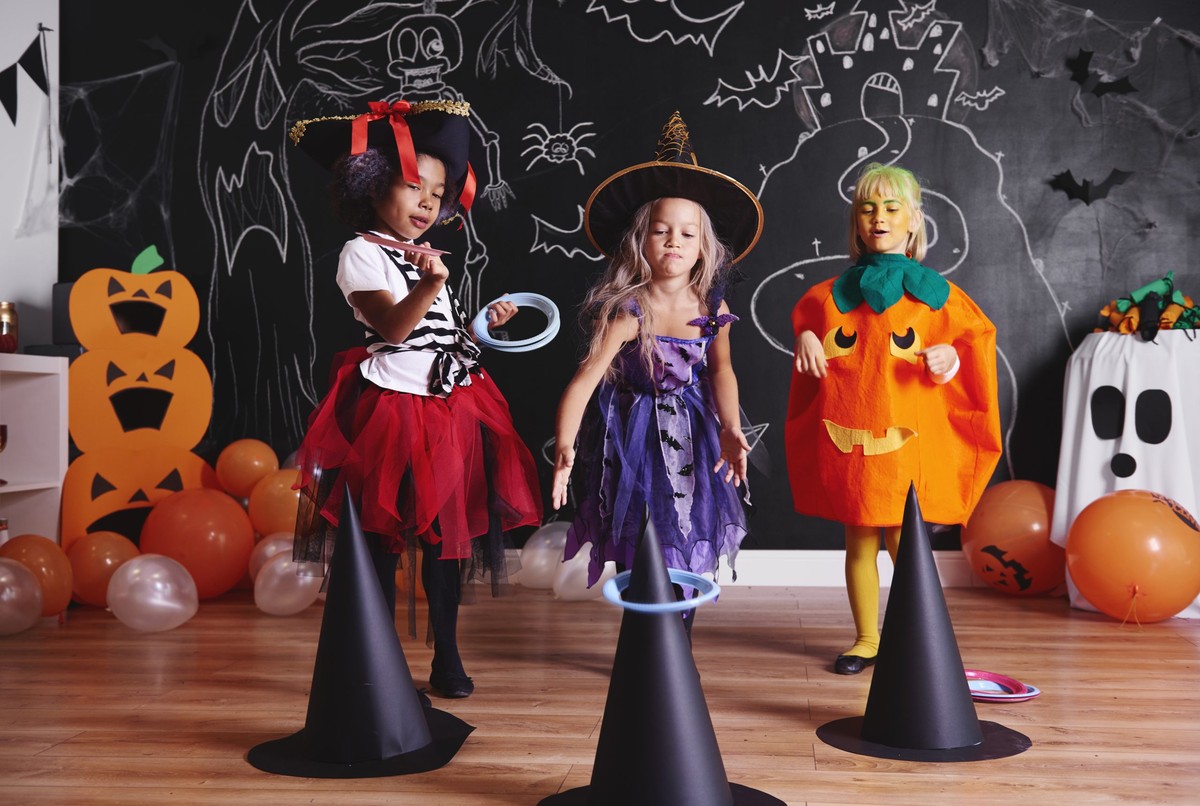
If trick-or-treating does not feel right this year, a small get-together at home lets you control the food and still enjoy the fun. Fill the table with treats your child can eat, choose games that do not involve food, and let guests know in advance which foods you are keeping out.
If your child has a reaction
Follow your child's allergy action plan, which sets out what to do if they react. If you see signs of anaphylaxis (a severe allergic reaction), use their adrenaline device and call 999, as their plan advises. You can always practise following the action plan with your child in a calm, age-appropriate way, including before special events like Halloween. Older children can also learn to recognise their symptoms and, when appropriate, how to use their own medication. Make sure every adult with your child knows where the action plan and medicines are kept.
If you are giving out treats
Children with food allergies may knock on your door, even if you do not know them. A few small changes help every child join in:
- Keep sweets in their original wrappers, so families can read the label.
- Offer non-food treats, such as stickers, pencils, glow sticks or small toys, and keep them in a separate bowl from the sweets.
- Avoid modelling dough as a non-food treat, as some types contain wheat.
- Show you are allergy aware with a sign in your window, or a teal pumpkin on the doorstep.
- Be patient if a parent or child asks to check the ingredients.
Looking ahead
Halloween starts the busy season of Bonfire Night, school fairs and Christmas parties. The habits are the same each time: plan ahead, read labels, carry medicines and help your child speak up for themselves. Each occasion that goes well builds their confidence for the next.
Frequently asked questions
Can my child go trick-or-treating with a food allergy?
Many children with food allergies can enjoy trick-or-treating with some planning. Halloween is about dressing up and being out with friends, and a food allergy does not need to stop your child joining in. Agree the plan in advance: sweets are collected on the night and checked at home before anything is eaten. Take your child's two adrenaline devices and any regular medicines with you, along with their allergy action plan, and keep some safe treats at home to swap in.
Are fun-size sweets the same as the full-size version?
Not always. Smaller and seasonal versions of a familiar sweet may be made in different factories or on different production lines from the full-size product. This means the ingredients and allergen warnings can sometimes differ, even when the brand and packaging look the same. Read the label every time, including for sweets your child has eaten safely before. If you are unsure what a "may contain" warning means for your child, our team can talk you through it as part of their management plan.
What should I do with sweets that have no label?
Leave them out. Fun-size sweets are often taken from a multipack, where the ingredients are printed only on the outer bag, so individual sweets may carry no allergen information at all. If you cannot check the ingredients, it is safer to swap the sweet for one you know your child can eat. Keeping a supply of safe treats makes this easy, and means your child does not finish the night with less than their friends.
What is a teal pumpkin?
A teal pumpkin on a doorstep signals that the household offers non-food treats, such as stickers or small toys. It means children with food allergies can knock on the door and choose something safe, alongside everyone else. Some UK households use the idea, while others put an allergy aware sign in the window. If you are trick-or-treating with your child, look out for teal pumpkins when you plan your route.
What can I give out that is suitable for children with allergies?
Keep sweets in their original wrappers, so parents can read the ingredients and allergen information before their child eats anything. Alongside sweets, offer a few non-food treats, such as stickers, pencils, bubbles or glow sticks, and keep them in a separate bowl so they do not come into contact with food. Be patient if a parent asks to check a label: it is part of keeping their child safe. These small changes mean every child who knocks can take something home.
Ready to enjoy Halloween with confidence?
An up-to-date diagnosis and a clear action plan make occasions like Halloween easier to manage. Whether you need a diagnosis confirmed, an action plan updated or advice on everyday management, our specialist team is here to help.
Concerned your child is affected by allergies?


