Professor Gideon Lack's landmark LEAP study transformed global views on allergy prevention. Today, momentum is building worldwide to stop food allergies before they start. Discover the evidence and join the movement.

As featured in







Every child deserves to grow up free from a preventable allergy. The science exists. We're here to help families put it into practice.
Since the LEAP trial in 2015, countries have acted on the evidence at very different speeds. Some have already rebuilt their infant feeding guidance and are seeing the results, while UK advice has not kept pace.
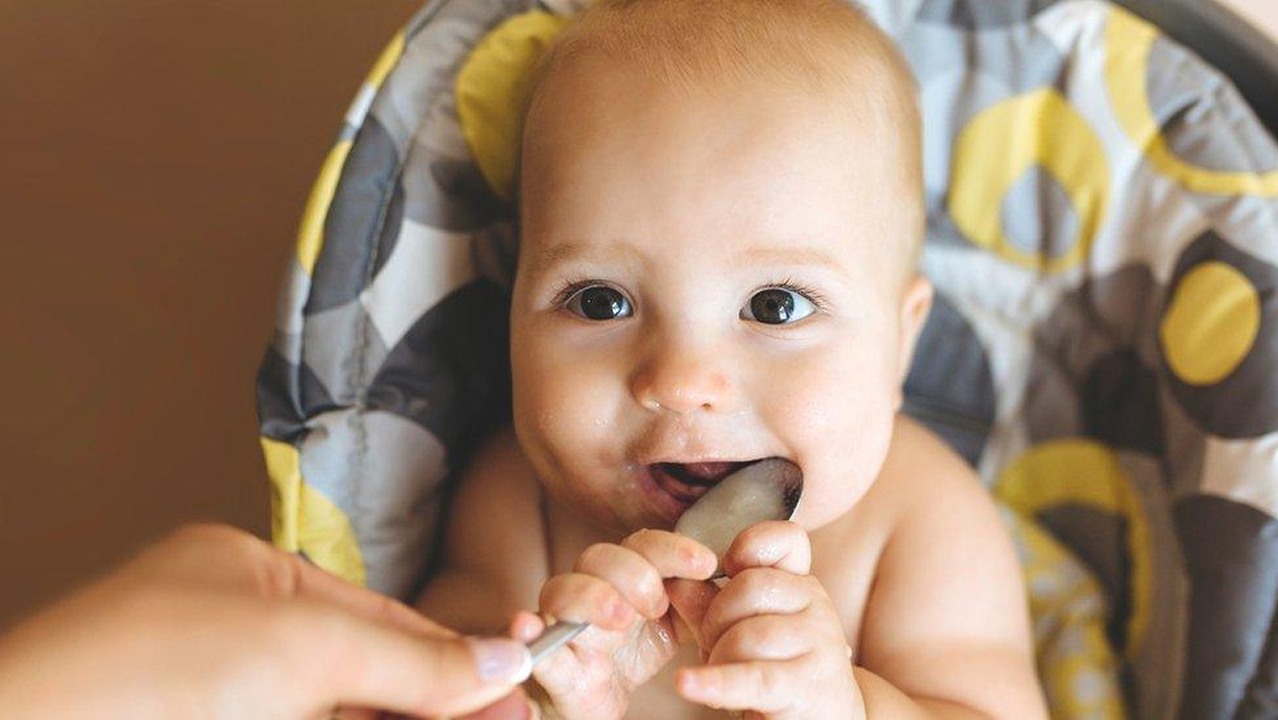
Safely introducing common allergens, including peanut and egg, from around four months in infants who are developmentally ready significantly reduces the risk of a child developing a food allergy. This is a recommendation for all babies, not only those with eczema or considered high-risk.
The immune system is making decisions about what is safe from the earliest months of life, and every month of delay reduces the preventive effect. Introducing peanut at eight months to a baby who has already become sensitised at five months may be too late. Acting early is what makes prevention possible.
A few introductions are not enough: allergens should be eaten at least three times a week, in age-appropriate forms, regularly through the first five years of life to build protection. The LEAP-Trio follow-up found this protection then held all the way to age 13, even in children who had since stopped eating peanut, evidence that early introduction can shape tolerance for life.
Food allergy in children is rising, and there is still no reliable cure. Prevention through early introduction is the single most effective tool available, and the countries that have already adopted it are seeing food allergy rates fall in real-world populations.

“For decades, we've been managing treatment with avoidance. The pendulum has swung now, where we are exposing early to prevent, diagnosing early and treating early.”

A growing body of independent research, from randomised controlled trials to real-world population studies, points to the same conclusion: introducing allergenic foods early in infancy can significantly reduce a child's risk of developing a food allergy. These are the key studies.
The landmark randomised controlled trial in early allergen introduction. Among infants who ate peanut regularly from around four months, the development of peanut allergy fell by 81–86% compared with those who avoided it (1.9% vs 13.7% by age five). The LEAP-Trio follow-up found the protection held to age 13.
Building on LEAP, EAT introduced six allergenic foods from three months. In the per-protocol analysis, early introduction significantly lowered food allergy prevalence, without displacing breastfeeding.
An ongoing trial targeting the skin-barrier link to allergy. SEAL aims to prevent food allergy in infants with early signs of dry skin or eczema, by protecting the skin and introducing allergens early.
After LEAP-informed US guideline changes, peanut allergy prevalence in children fell from 0.79% to 0.45%, around 40,000 fewer diagnoses, with roughly 1 in 200 infants protected.
An Australian study in JAMA Pediatrics. After guidance shifted to introducing egg by around six months, egg allergy prevalence fell by more than 17% among children.
Be the first to hear about new research, campaign milestones, and expert advice on early allergy prevention.
The campaign is building momentum. Sign up above to be the first to hear, or follow each milestone as it unfolds.